All-round road
Race
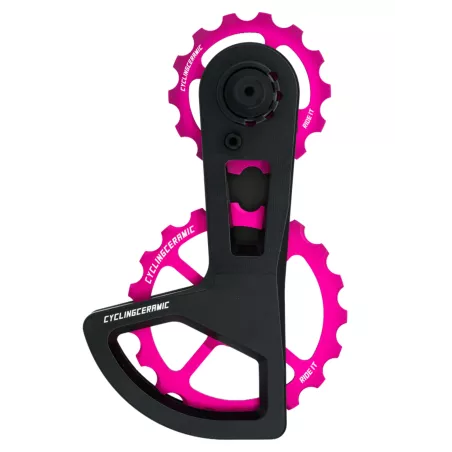
The straightforward choice if you want better drivetrain efficiency, a light cage and the option to personalize your bike with anodized pulley-wheel colours.
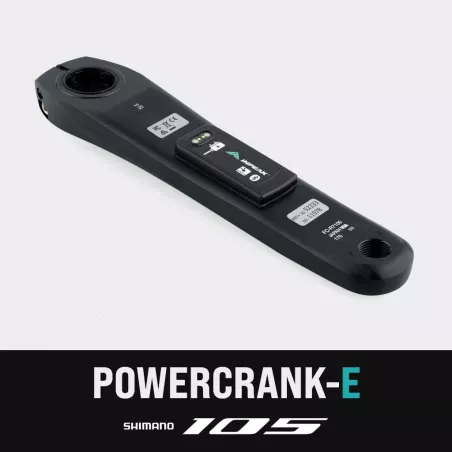

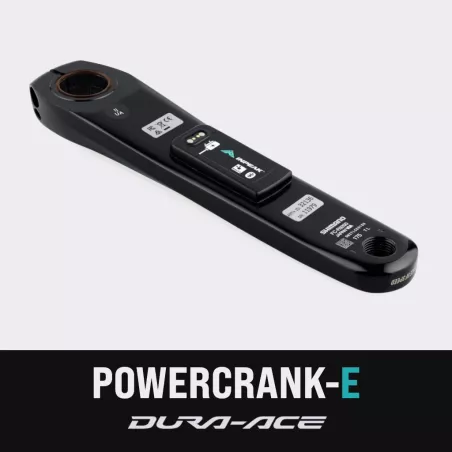
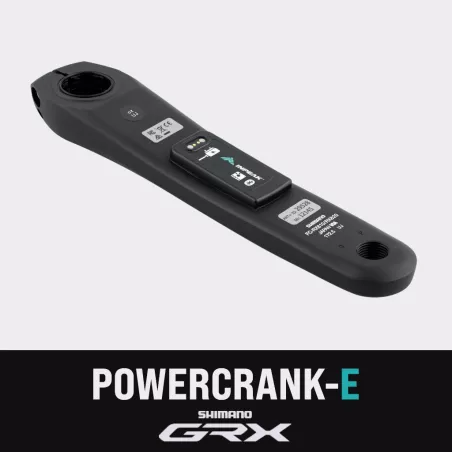
If your derailleur is Shimano road or GRX, you are already in the right section. The next choice depends mainly on how you ride: Race for all-round road use, Pro for a fast or aero road bike, Aero for time trial and triathlon, and GRX Pro for gravel.
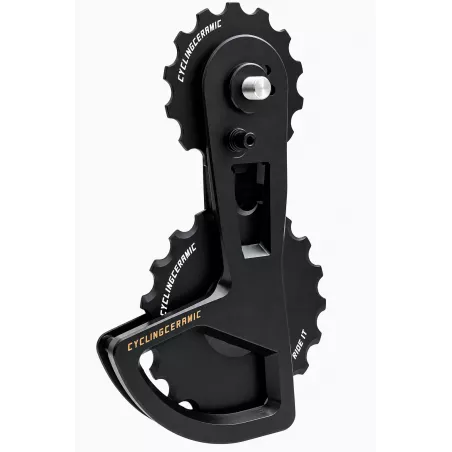
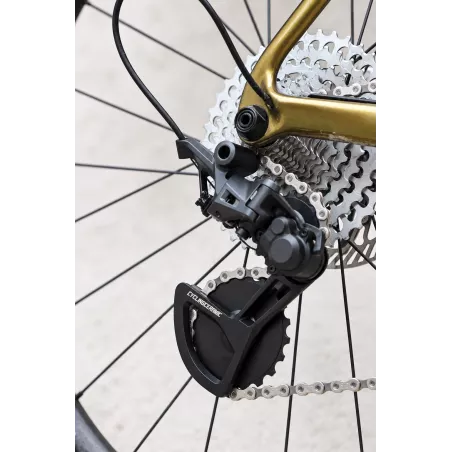
An oversized derailleur cage can improve your drivetrain without replacing the entire groupset: larger pulley wheels reduce chain articulation, ceramic bearings reduce rotational resistance, and the carbon cage can also give a bike you already enjoy a more modern, premium appearance.
The straightforward choice if you want better drivetrain efficiency, a light cage and the option to personalize your bike with anodized pulley-wheel colours.
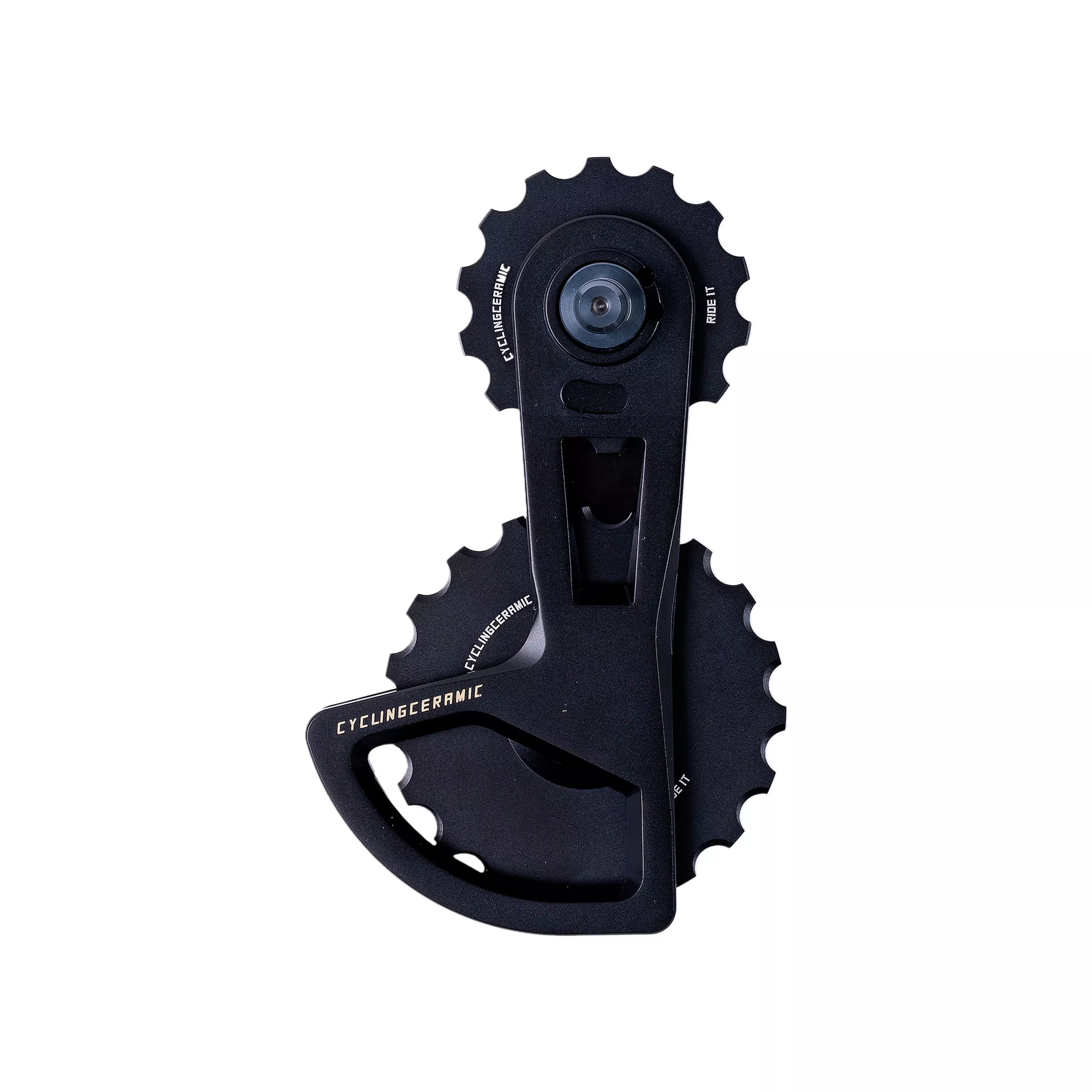
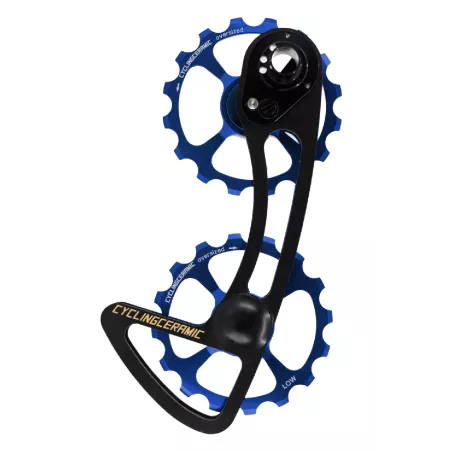
Solid pulley wheels, carbon cage and 14/19 architecture. Our preferred choice for an aero road bike that still needs to remain versatile, including in the mountains.
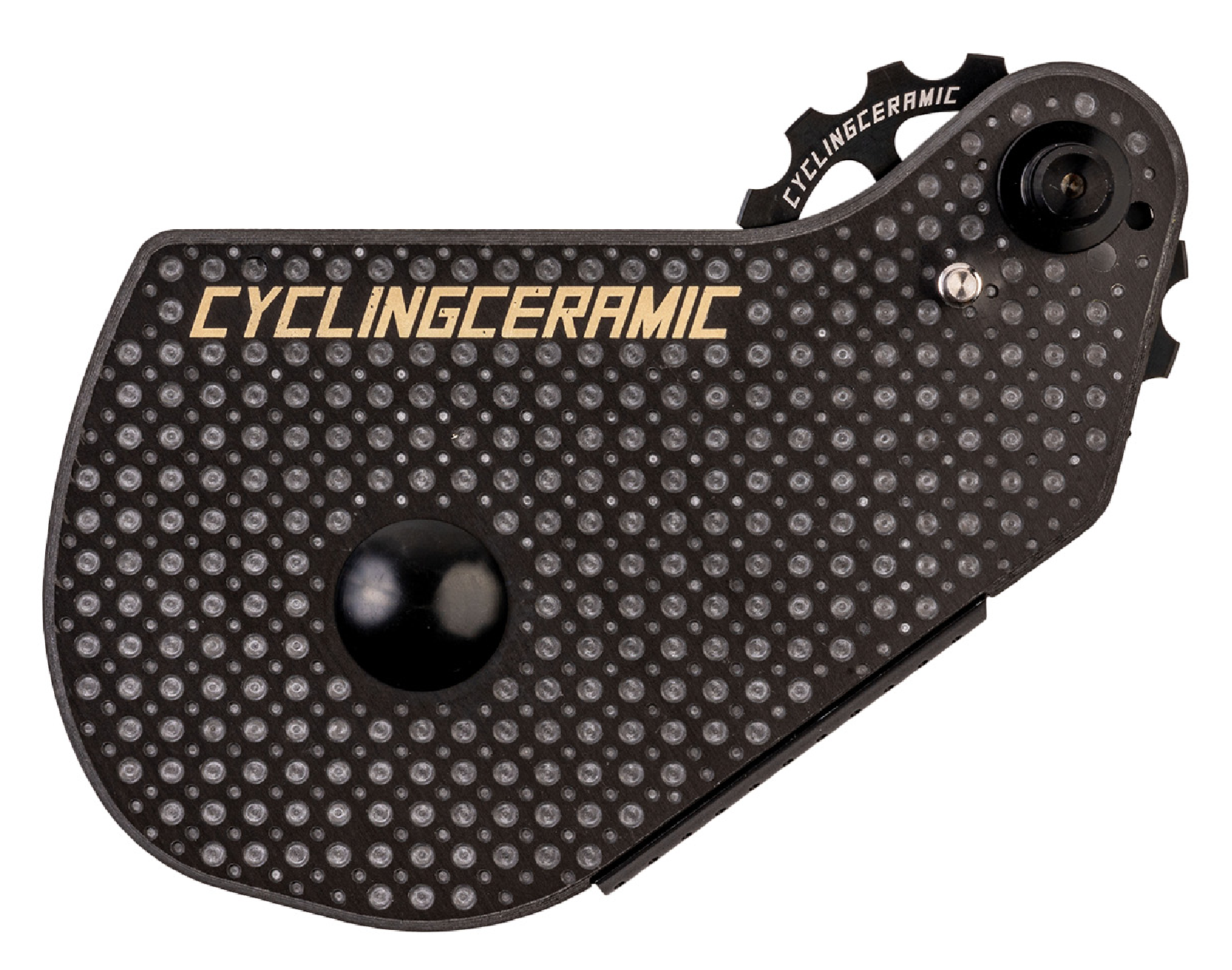
The most specialized option: a highly faired shape designed primarily for fast courses, time trial and triathlon.

The gravel-specific option: solid 14/19 pulley wheels and a more closed profile, better suited to dusty, sandy or muddy environments.
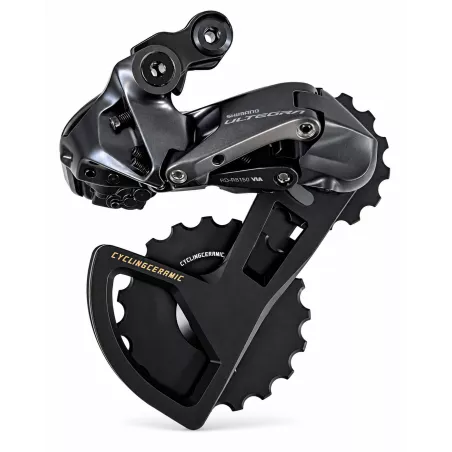
The Race uses open 14-tooth upper and 19-tooth lower pulley wheels running on ceramic bearings. It suits riders who want to improve drivetrain efficiency while keeping the system light, simple and visually customizable.
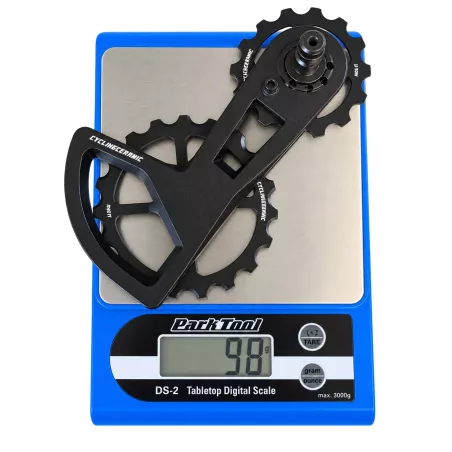
The Shimano 105 Race uses the same technical base and the same measured 98 g weight; the main difference from the Ultegra / Dura-Ace version is the mounting interface designed for the 105 derailleur.

The Pro keeps the 14/19 principle and ceramic bearings but replaces the open pulley wheels with solid pulley wheels. It is aimed at riders who frequently ride fast and want a more closed profile without moving to a fully faired cage.
An Ultegra R8000/R8050 or Dura-Ace R9100/R9150 remains an excellent drivetrain. The current range lets you modernize this type of bike without replacing a complete groupset simply because it is no longer the latest generation.
The current Race and Pro versions retain broad backward compatibility with these 11-speed derailleurs, including the relevant SS/GS variants.
With these older groups, the goal is often different: keep and refresh an excellent derailleur rather than chase the latest generation.
A larger pulley-wheel diameter reduces the angle imposed on each chain link. The principle therefore aims to reduce part of the mechanical loss created by this repeated articulation.
Both pulley wheels rotate continuously whenever you pedal. Low-resistance bearings therefore make particular sense at this point in the drivetrain.
The carbon structure provides a stiff, precise component with a more premium appearance than many stock derailleur cages.
For many riders, there is also an economic and emotional benefit: keep a reliable groupset, improve how it works and give the bike a new lease of life rather than replacing an entire drivetrain.
Choose Race for light, all-round road use; Pro if your bike is aero-oriented or you frequently ride fast; and Aero if the bike is used mainly for time trial or triathlon.
Race and Pro are both available with a mounting interface specific to Shimano 105. Race prioritizes versatility and customization; Pro uses solid pulley wheels and is particularly well suited to aero road bikes.
The technical base is the same: 14/19 pulley wheels, ceramic bearings, 2026 four-position design and a measured weight of 98 g. The main difference is the mounting interface designed for the 105 derailleur.
Yes. Race and Pro retain broad compatibility with Ultegra R8000/R8050 and Dura-Ace R9100/R9150 series, including the relevant variants.
Yes. Pro is aimed at fast and aero road bikes but remains a versatile road cage. It is perfectly suitable for rolling routes and occasional mountain riding.
GRX Pro is the preferred option for gravel. Its solid 14/19 pulley wheels and more closed profile are better suited to an environment exposed to dust, sand and mud.
Not necessarily. An oversized cage can improve specific parts of the drivetrain — chain articulation, pulley bearings and cage stiffness — while allowing you to keep a Shimano groupset that already works very well.
Not riding Shimano after all? See our SRAM derailleur cages or Campagnolo derailleur cages.

Start with how you ride, then choose your derailleur. Four families cover most current Shimano setups.
14/19, ceramic bearings, light and customizable. The most versatile choice.
Solid pulley wheels: ideal for an aero bike while remaining fully suitable for mountain riding.
Solid 14/19 pulley wheels and a more closed profile for gravel conditions.