1. Col du Tourmalet — A Pyrenean Giant
Starting altitude700 m (Sainte-Marie-de-Campan) / 720 m (Luz-Saint-Sauveur)
Summit altitude2,115 m
Elevation gain~1,400 m
Distance & gradient17.1 km from Luz-Saint-Sauveur · 7.4% avg
Why ride the Tourmalet?
Legendary for its two sporting sides. The Luz-Saint-Sauveur side feels wilder with spectacular views.
- Significant elevation gain for sustained climbing.
- Long stretches > 9% to train pacing.
Power tip: hold ~80% of CP20 for a steady, sustainable effort.
Gearing advice
Luz-Saint-Sauveur → Summit
- Rotate among 30 / 27 / 34-tooth depending on slope and cadence.
- Keep one “rescue” cog for re-accelerations.
Sainte-Marie-de-Campan → Summit
- Start on 24-tooth (big ring only on the flat approach).
- Settle on 27-tooth; save 34-tooth for steep ramps/recovery.
2. Mont Ventoux — The Isolated Giant
Starting altitude300 m (Bédoin)
Summit altitude1,909 m
Elevation gain~1,600 m
Distance & gradient21.5 km from Bédoin · 7.5% avg
Why ride Ventoux?
Nicknamed the “Giant of the Storms”, its prominence brings heat, wind and exposure—especially above Chalet Reynard.
Power tip: ~80% of CP20 to Chalet Reynard, then 75–85% to the summit depending on wind & freshness.
Gearing advice
Bédoin → Chalet Reynard
- Mostly 30-tooth through the forest’s long 9% sections.
- Alternate 27 / 30 to protect cadence ≥ 80–85 rpm.
Chalet Reynard → Summit
- Use 34-tooth in gusts or when cadence drops.
- Stay on 27–30 if wind is light and rhythm is steady.
3. Col du Galibier — The Ultimate Challenge
Starting altitude710 m (Saint-Michel-de-Maurienne)
Summit altitude2,642 m
Elevation gain~2,000 m (incl. Télégraphe)
Distance & gradient35 km incl. Col du Télégraphe · 6.9% avg
Route: Saint-Michel-de-Maurienne → Télégraphe → Valloire → Plan Lachat → Summit.
Why ride the Galibier?
A complete test: massive elevation, sustained ramps and high altitude that eats into power above 2,000 m.
Power tip: Télégraphe ~80% CP20 → Valloire–Plan Lachat ~80% → above 2,000 m drop to 75–77%.
Gearing advice
Col du Télégraphe
- Alternate 24 / 27-tooth to stay fresh for Valloire.
Valloire → Summit
- 27 → 30-tooth up to Plan Lachat.
- Use 34-tooth if cadence falters in the final ramps.
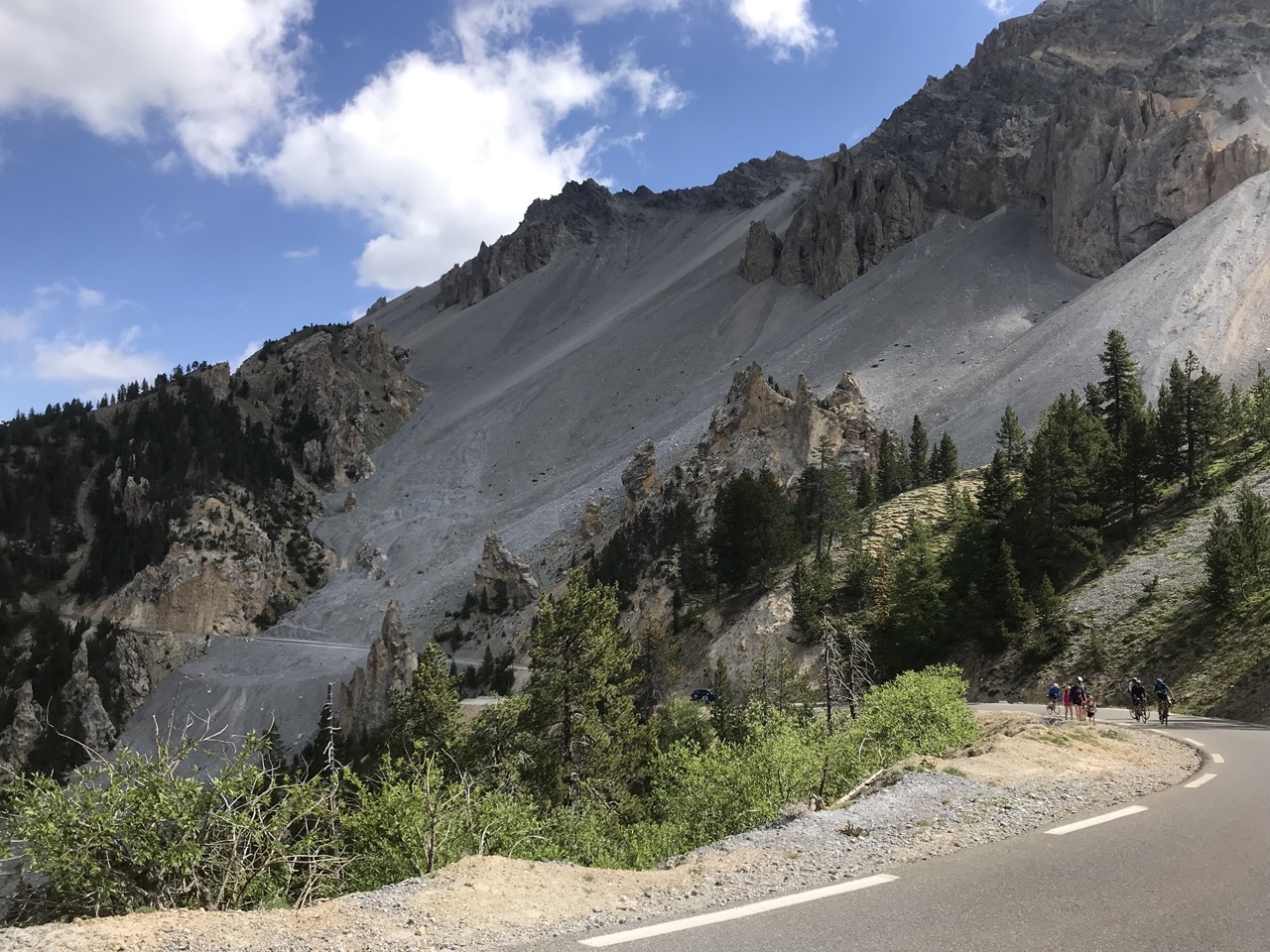
4. Col d’Izoard — Alpine Elegance
Starting altitude1,000 m (Guillestre)
Summit altitude2,360 m
Elevation gain~1,360 m
Distance & gradient19 km from Guillestre · 6.9% avg
Why ride the Izoard?
Often considered the most accessible of the five, yet iconic thanks to the Casse Déserte and its elegant switchbacks.
Power tip: ~80% CP20 to Arvieux, ~80% through the hairpins, then 75–80% after Casse Déserte.
Gearing advice
Guillestre → Arvieux
- Start on 27-tooth to smooth the opening slopes.
Brunissard → Summit
- Shift to 34-tooth at Brunissard if it steepens.
- Try to hold 30-tooth in the hairpins; finish on the same.
5. Col de l’Iseran — Roof of Europe
Starting altitude840 m (Bourg-Saint-Maurice)
Summit altitude2,764 m
Elevation gain~2,000 m
Distance & gradient48 km from Bourg-Saint-Maurice · 4–6% avg
Why ride the Iseran?
Very long and very high. From Bourg-Saint-Maurice you get ~2,000 m of D+ in a single push—rare in France.
- All-day pacing: economy, cadence, fueling & hydration.
- Final above 2,500 m: expect a small drop in power.
Power tip: BSM → Val-d’Isère ~80% CP20. Final climb ~75%, then <75% above 2,500 m.
Gearing advice
Up to Val-d’Isère
- Alternate 24 / 27-tooth to smooth changes.
- Briefly use 30-tooth near the Tignes dam if cadence dips.
After Val-d’Isère → Summit
- Mostly 27-tooth to keep it fluid.
- Above 2,500 m, shift to 30-tooth to protect cadence.
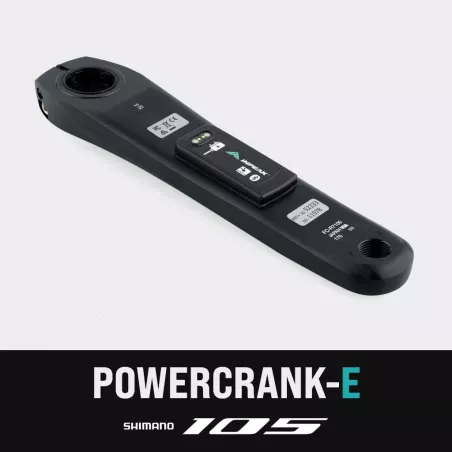
Why a power meter (and the right crankset) matters here
These climbs stress endurance, pacing and strategy. A power meter helps you:
- Match effort to each section (steep ramps, altitude, wind).
- Avoid early over-reaching that hurts the finale.
- Hold a steady, appropriate intensity for a faster overall time.
Assumed cassette: Shimano 12-speed 11–34 (24/27/30/34-tooth range).
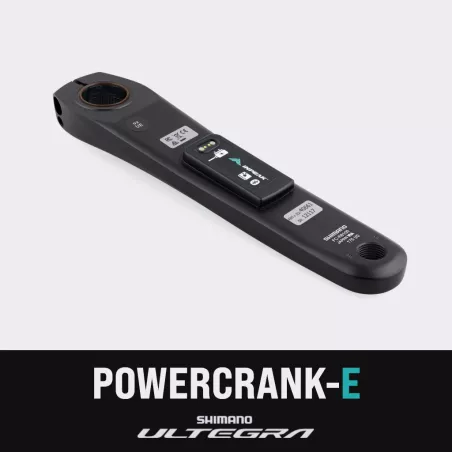
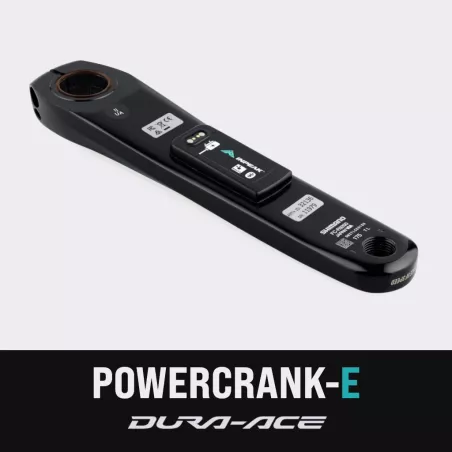
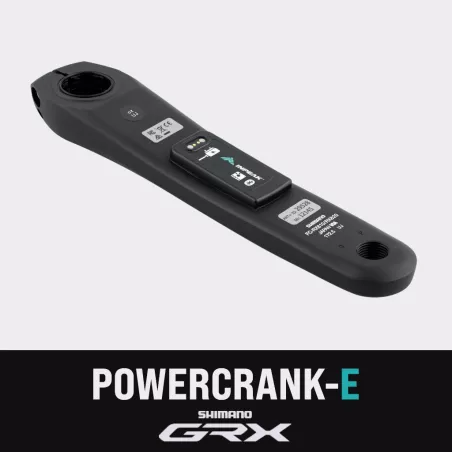
Choose your crankset by groupset:
Explore our
Rotor power meters and get tailored advice for your exact frame (BB86, T47, BSA) and terrain.