
Why Shimano Dominates the Professional Peloton?
For more than three decades, Shimano has set the WorldTour benchmark thanks to a simple trio: industrial scale, reliability, and drivetrain efficiency. By 2025, the Dura-Ace 9270 platform has reached full maturity: tight manufacturing tolerances, quiet operation, precise shifting, and the capacity to deliver the thousands of groupsets pro teams collectively need each season.
SRAM has pushed the pace too—its AXS platform swept all three Grand Tours in 2023 and now offers a 54/41 pro-level chainring option. SRAM’s cassettes start at 10T for longer top-end, while Shimano remains at 11T. On race day, teams often favor the ecosystem that keeps shifting crisp under load and parts available week in, week out.
The Advantages of BB86 Bottom Brackets
BB86 stays popular for its compact shell and excellent stiffness across many high-performance frames. In parallel, threaded formats are firmly back: BSA (68 mm) and T47 (internal widths typically 77–86.5 mm depending on the frame) are valued for bearing alignment, rigidity, and easier service. The market in 2025 broadly converges on three pillars: BSA, T47, and BB86.
Meanwhile, the traditional BSA threaded standard remains a rock-solid reference—brands like Specialized and Cannondale continue to spec it on flagship frames.
The Rise of Integrated Power Meters
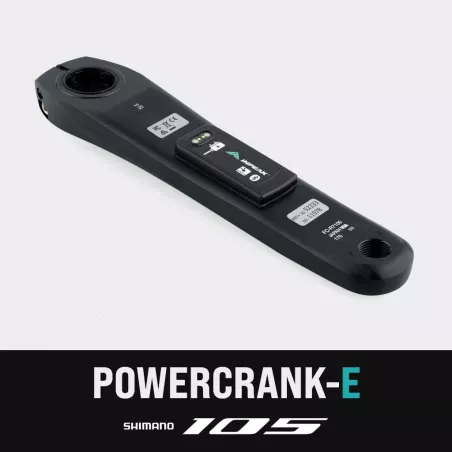
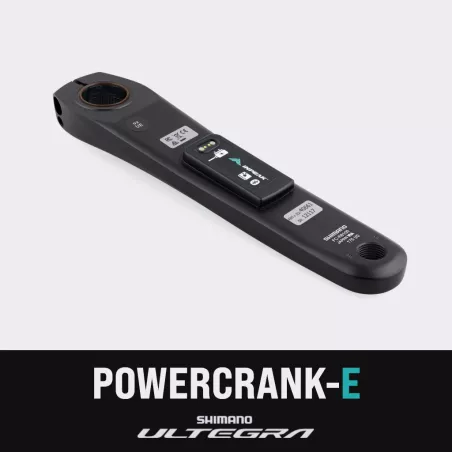
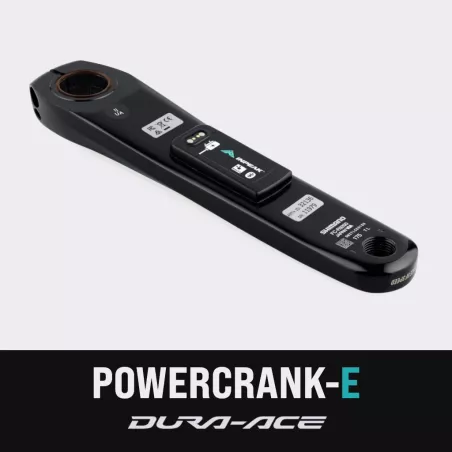
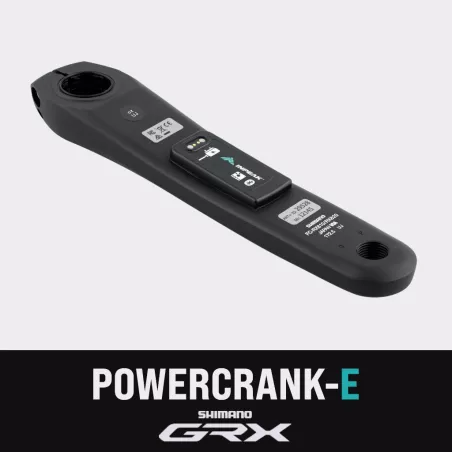
By 2025, pro bikes are largely standardized around crank-integrated power meters across both SRAM AXS and Shimano 9200-P. Embedding the sensor in the crankset improves protection and long-term consistency—key for pacing, split decisions, and data-driven race strategy.
2025 World Tour Teams Equipment
Frames, groupsets, and bottom brackets used by the 2025 World Tour teams (upgrade links included where relevant).
| Team | Frame | Groupset | Bottom Bracket (with link to upgrade) |
|---|---|---|---|
| Groupama-FDJ | Wilier Filante SLR | Shimano Dura Ace 9270 12s | BB86, Shimano |
| Arkéa-B&B Hotels | Bianchi Oltre RC | Shimano Dura Ace 9270 12s | BB86, Shimano |
| Bahrain Victorious | Merida Reacto Team | Shimano Dura Ace 9270 12s | BB86, Shimano |
| Cofidis | Look 795 Blade RS | Campagnolo Super Record | T47 (86.5mm), Campagnolo |
| Decathlon AG2R La Mondiale Team | Van Rysel RCR-F | Shimano Dura Ace 9270 12s | BB86, Shimano |
| EF Education-EasyPost | Cannondale Supersix Evo Lab 71 | Shimano Dura Ace 9270 12s | BSA, Shimano |
| Ineos Grenadiers | Pinarello Dogma F | Shimano Dura Ace 9270 12s | ITA, Shimano |
| Intermarché-Wanty | Cube Litening C:68X Aero | Shimano Dura Ace 9270 12s | BB86, Shimano |
| Lidl-Trek | Trek Gen 8 Madone SLR7 | Sram Red AXS 12s | T47 (85.5mm), Sram DUB 29mm |
| Movistar Team | Canyon Aeroad | Sram Red AXS 12s | BB86, Sram DUB 29mm |
| Red Bull-Bora-Hansgrohe | Specialized Tarmac SL8 | Shimano Dura Ace 9270 12s | BSA, Shimano |
| Soudal Quick-Step | Specialized Tarmac SL8 | Shimano Dura Ace 9270 12s | BSA, Shimano |
| Team Jayco AlUla | Giant Propel Advanced SL | Shimano Dura Ace 9270 12s | BB86, Shimano |
| Team Picnic PostNL | Lapierre Xelius DRS | Shimano Dura Ace 9270 12s | BB86, Shimano |
| Team Visma | Lease a Bike | Cervélo S5 | Sram Red AXS 12s | BBRight, Sram DUB 29mm |
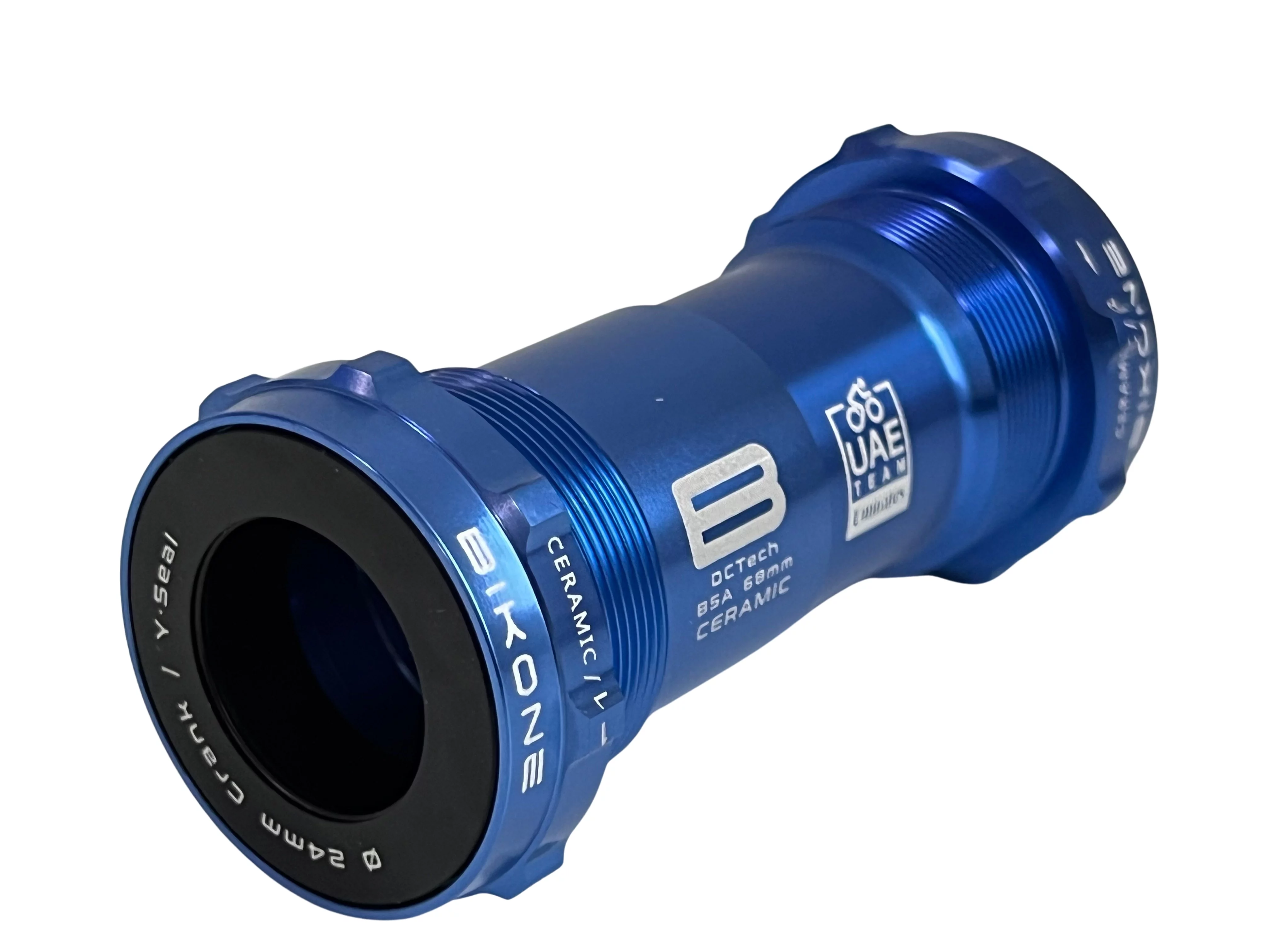
| UAE Team Emirates | Colnago Y1RS | Shimano Dura Ace 9270 12s | BSA Shimano 68mm |
| XDS Astana Team | X-LAB RT9 (to confirm) | Shimano Dura Ace 9270 12s | BB86, Shimano |
| Alpecin-Deceuninck | Canyon Aeroad CFR | Shimano Dura Ace 9270 12s | BB86, Shimano |
2025 ProTeams Equipment
Frames, groupsets, and bottom brackets used by the 2025 ProTeams.
| Team | Frame | Groupset | Bottom Bracket |
|---|---|---|---|
| TotalEnergies | Enve Melee | Shimano Dura Ace 9270 12v | T47 (86.5mm), Shimano |
| Tudor Pro Cycling | BMC TeamMachine | Sram Red AXS 12v | BB86, Sram DUB 29mm |
| UNO-X Mobility | Noah Fast | Shimano Dura Ace 9270 12v | BB86, Shimano |
| Lotto-DSTNY | Orbea Orca Aero | Shimano Dura Ace 9270 12v | BB386 Evo, Shimano |
| Israel Premier Tech | Factor Ostro VAM | Shimano Dura Ace 9270 12v | T47A (77mm), Shimano |
| Q36.5 Pro Cycling Team | Scott Foil | Sram Red AXS 12v | BB86, Sram DUB 29mm |
Specs may change during the season based on team feedback and frame revisions.
FAQ: Everything About Pro Cycling Equipment in 2025
What’s the difference between Shimano Dura-Ace and SRAM Red?
Two key design choices: SRAM uses a removable battery on each derailleur (levers powered by coin cells), while Shimano uses a single central battery to power both derailleurs. On gearing, SRAM cassettes start at 10 teeth for longer top-end, whereas Shimano keeps an 11-tooth smallest sprocket.
Why choose a crank-based (integrated) power meter?
It delivers stable, repeatable data and often provides accurate left/right balance (or a robust estimate). The sensor is well protected from impacts compared to external options. That’s why crank-based units are prevalent in the pro peloton, while pedal meters remain convenient mainly for user flexibility.
Which bottom-bracket standards lead in 2025?
BB86 remains widespread for its compactness and stiffness. Threaded options BSA (68 mm) and T47 (internal variants 77–86.5 mm depending on the frame) are rising thanks to bearing alignment and serviceability.
T47 or BB86: which should I choose?
BB86 can yield slightly lighter frames (compact shell). T47, being wider and threaded, improves bearing alignment and frame stiffness. A high-quality BB86 installed correctly can perform very close to T47.
What is UAE Team Emirates’ setup?
Shimano Dura-Ace 9270 with the 9200-P power meter and a ceramic BSA 68 mm bottom bracket: BSA UAE Bikone.
Which Canyon frames use BB86?
Many high-performance Canyon road frames (e.g., Aeroad historically) have used BB86 to maximize stiffness around the shell. Always check the exact model-year spec before ordering parts.
How do power meters shape team strategy?
They help pace rotations, control chase intensity, time attacks, and optimize a solo effort. Decisions are adjusted in real time based on the numbers.
What are Shimano Hyperglide’s benefits?
Hyperglide tooth profiles and shift ramps deliver buttery-smooth shifts and excellent chain/cassette efficiency, even under load.
Can BSA rival T47?
Yes. Despite its 68 mm width, BSA remains highly capable thanks to external cups and works at very high power. T47 offers more integration options (aero, cable routing) depending on the frame.
Shimano or SRAM: which one should I pick?
Complete bikes on SRAM can be more price-attractive, with gearing that suits fast riding. Shimano excels at chainring customization (e.g., with Rotor cranksets) to fine-tune cadence and terrain: Configurable Rotor crankset.
What’s the best upgrade for a BB86 frame?
Two proven routes: BB86 steel (Bikone) for robustness/value, or BB86 ceramic (CyclingCeramic) for long-term smoothness. Pick by axle type: BB86 24 mm Shimano/Rotor | BB86 SRAM DUB 29 mm.
Why consider modular crank-based power meters?
For enthusiasts, they’re upgradeable (rings, lengths, axles) and easy to adapt. Even if the WorldTour favors full integration, modular cranks remain a flexible, high-performing alternative.
How do Grand Tours influence equipment trends?
Stage profiles (mountains, TTs, fast finishes) drive transmission choices: occasional 1x setups, specific ring sizes, and better-spaced cassettes like 11/34. These trends then filter down to the wider market.