Which crankset should you choose: 52/36 or 53/39?

Are you considering upgrading from a 52/36 to a 53/39 crankset? This change is not trivial—it often reflects your progression to a higher level of fitness, speed, and ambition. Here's our advice to help you decide based on your profile and riding goals.

52/36 vs 53/39: what are the differences?

The 52/36 crankset: versatile and efficient

  • Ideal for most fast amateur riders
  • Perfect balance for group rides and hilly courses
  • Easy to combine with an 11/30 or 11/34 cassette for climbing

The 53/39 crankset: more demanding, but faster

  • Best suited for riders transitioning to higher-level racing
  • Offers better top-end speed on fast descents and tailwinds
  • Provides a stiffer, more responsive pedal stroke at high speeds

Which crankset fits your rider profile?

Intermediate rider aiming for regional-level competition

The 53/39 crankset is a natural step forward. It lets you ride faster on flat terrain and unlocks your full potential in race situations.

Young riders moving from junior to U23

Switching to a 53/39 setup is common at this stage. It helps you maintain high speeds without spinning out.

Experienced cyclists or time trial specialists

The 53/39 setup is excellent for flat races, long solo efforts, and consistent high-speed riding.

Frustrated with the 52/36?

If you're always riding on your 11 or 12-tooth cog, or your accelerations feel limited, the 53/39 will give you the gearing you need.

Velo-Perso.com's advice

With a 53/39, you’ll never run out of gear in a tailwind again. This setup isn’t just for pros—it’s ideal for committed riders who want to ride fast and smooth. Just keep in mind: spinning a 53T at the same cadence as a 52T requires about 6% more power.

In the mountains, swapping a 36T for a 39T inner chainring demands around 10% more watts per kilogram. You can compensate by switching to a larger cassette—like 11/34—to maintain the same climbing development as a 52/36 with 11/30.

👉 Need help choosing your ideal chainring size? Check our detailed guide on how to select your big chainring.

Thinking about switching to 53/39?

🔧 Rotor chainring kits for Shimano cranksets

  • Compatible with Ultegra R8100 / Dura-Ace R9200
  • Easy and fast installation
  • Available in 53/39, 54/39, 54/42 depending on your strength and needs

🚴‍♂️ Complete Rotor cranksets

  • Rotor Aldhu and Aldhu Carbon models
  • Available in 53/39 with 24 mm or 30 mm axle
  • Lighter and stiffer than most OEM cranksets

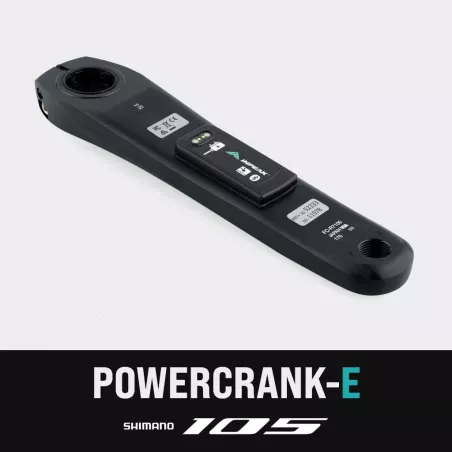
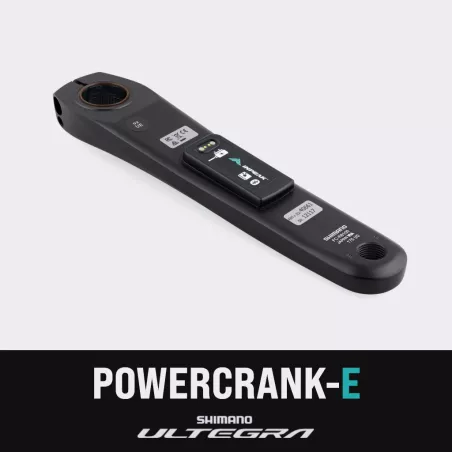
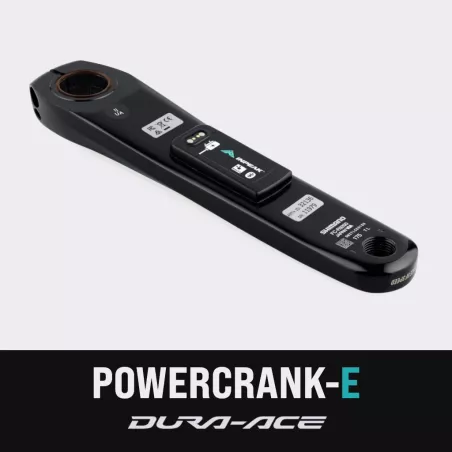
⚡ Power meter cranksets in 53/39

  • Rotor Inspider 2.0: integrated power measurement to monitor progress and race pacing
  • Available in 53/39 and fully compatible with Shimano 12-speed drivetrains

👉 Not sure which option suits you best? Contact us via WhatsApp (bottom left corner) for fast, personalized technical advice based on your level and riding terrain.

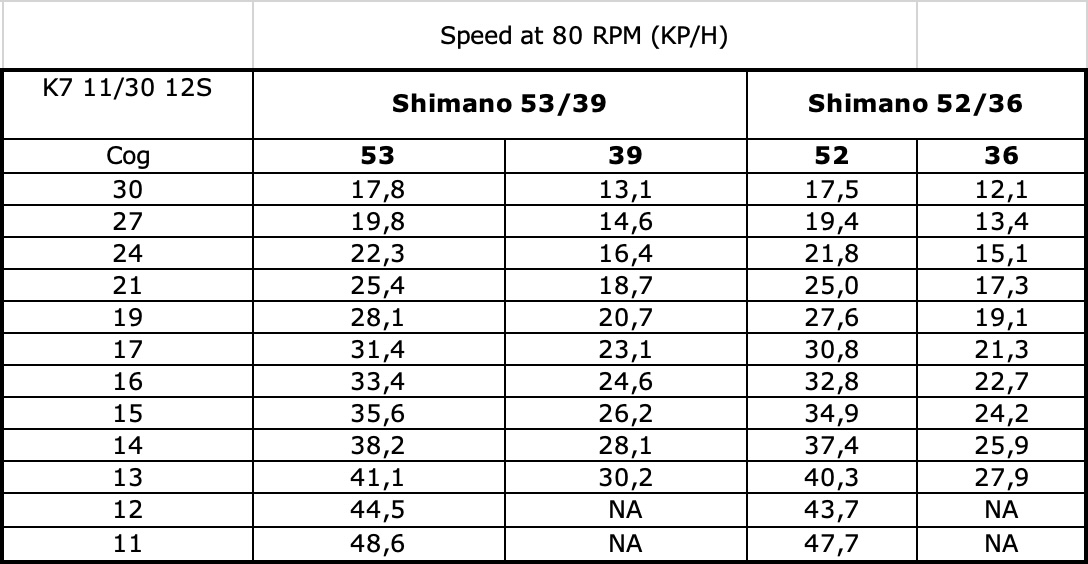
Gear Ratio chart comparison 52/36 VS 53/39
Speed depending on Gear Ratio comparison chart  52/36 VS 53/39
Speed depending on Gear Ratio comparison chart 52/36 VS 53/39
Olivier from velo-perso.com
Technical Expertise

Olivier from velo-perso.com

Back in my Elite N1 racing days in the 2000s, I already had an unconventional approach to gear: while 53t rings were the norm, I regularly raced on 55t, or even 56t for Time Trials. This obsession with the "perfect ratio" has been refined since 2009 through constant feedback from my clients and power meter analysis. Today, I ride a 53/39 for its ultimate versatility. This guide is built on that dual perspective: the demanding racer and the technician seeking the ideal setup for every rider.

Racing Career Elite N1 & Pro Trainee
Data Expert Watts & Physics (12+ yrs)
Customer Care Expertise since 2009
Community 25k Facebook Followers