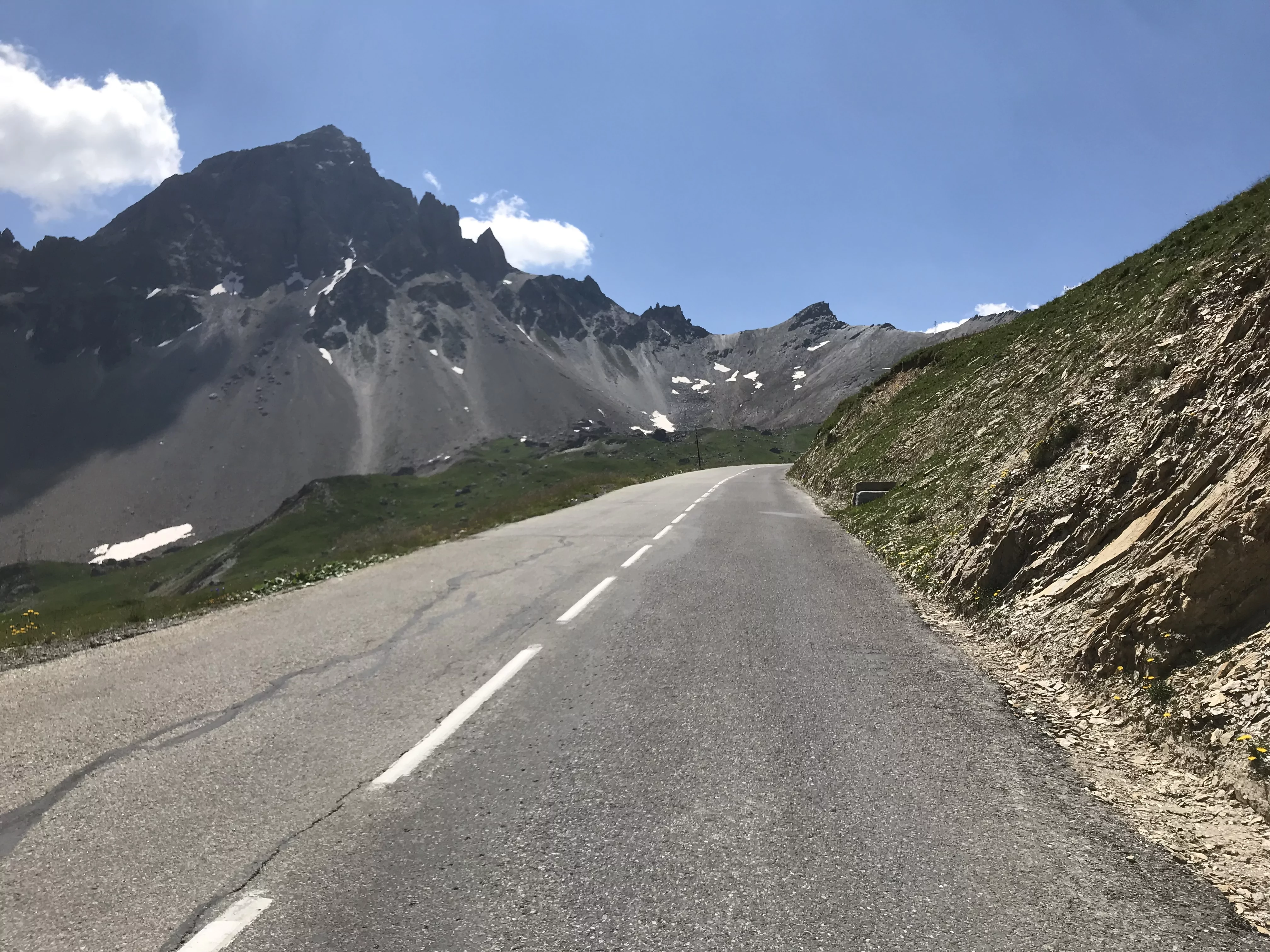
Our top picks to help you cross the finish line of the 2026 EDT
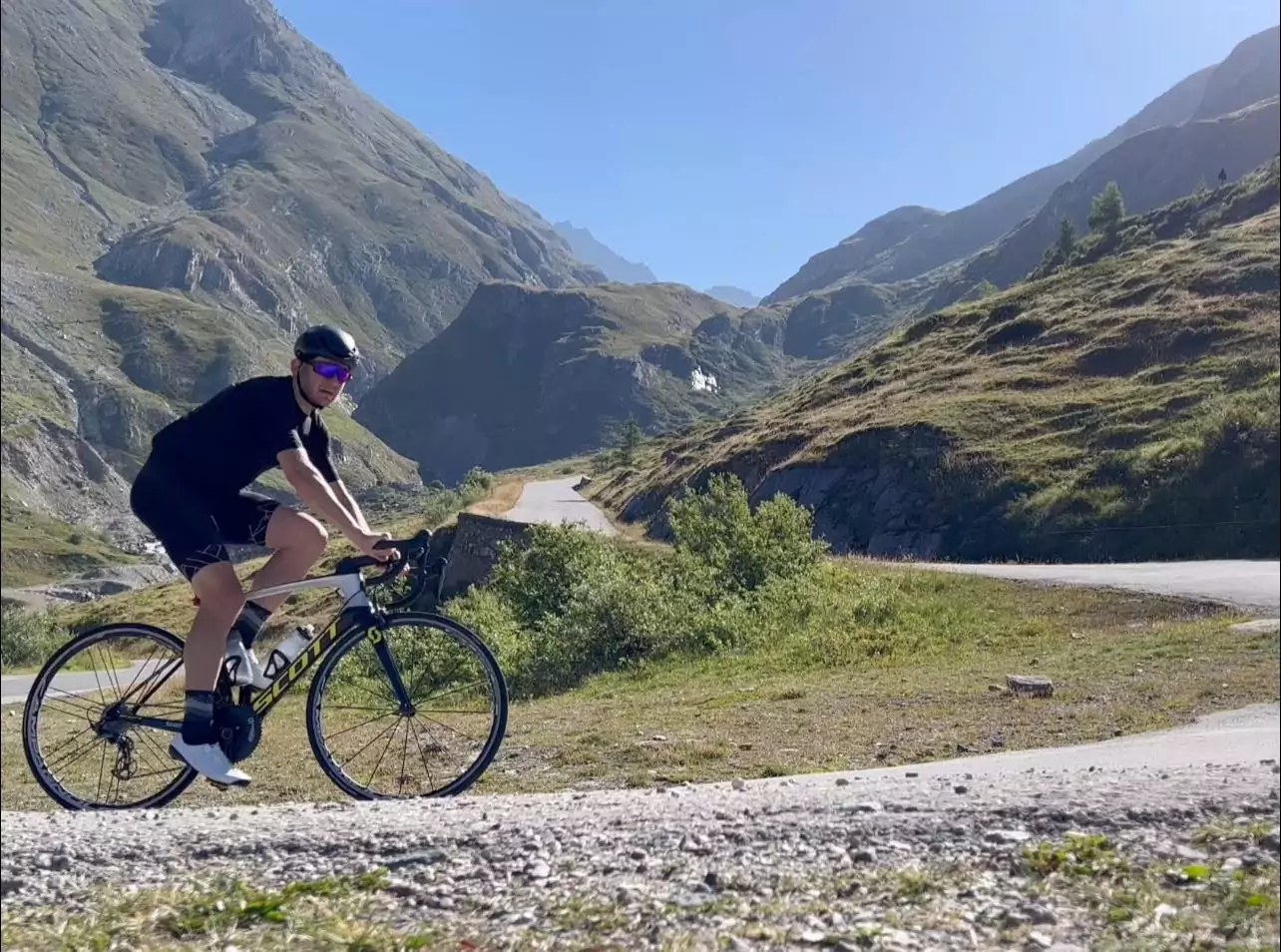
The 2026 Étape du Tour will be longer, more taxing, and more demanding than 2025. When fatigue sets in during the final miles, it's not just your legs that make the difference: the right gearing can literally save your race.
At Velo-Perso.com, we have curated the products that offer the most value for high mountains: more flexibility, more margin, and more safety when the Galibier starts breaking legs.
Our simple philosophy
If your classic 50/34 setup already feels tight, don't wait until race day to find out. The right build is the one that allows you to keep spinning while everyone else is already in survival mode.
Our conversion selection: 4 products to transform your 2026 EDT experience
We’ve selected high-impact products: lower gear ratios, extra climbing margin, guaranteed compatibility, and transparent pricing. The goal isn't just a dream build—it's helping you conquer the Galibier without redlining on every hairpin.

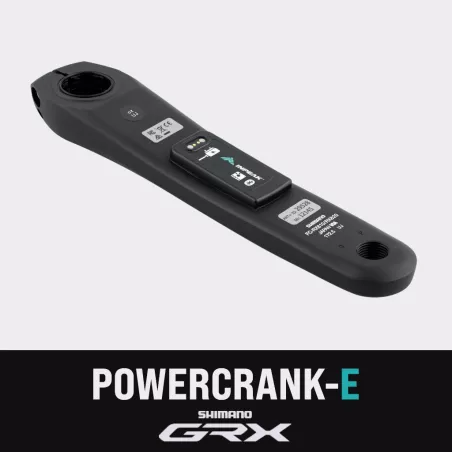
Rotor 2INpower SL Spidering Crankset
The most complete product in this selection. The 2INpower SL combines true dual-sided power measurement, a high-grade lightweight aluminum build, and most importantly, custom climbing-specific chainrings.
- 46/30 and 48/31 available to go lower than a classic 50/34.
- Optimize your pacing all day long thanks to precision power data.
- Excellent choice for riders serious about their 2026 EDT preparation.

Rotor UNO 11/36 Cassette
Note: this product is designed specifically for Shimano 105 12-speed groupset owners, both Mechanical and Di2 versions.
With 2 extra teeth compared to a standard Shimano 11/34 road cassette, this 11/36 range can be a lifesaver during the 2026 EDT.
- Smoother pedaling when your cadence starts to drop.
- Highly relevant for riders already on the limit with 34 teeth.
- Recommended for use with a Rotor or Yaban chain.

Vegast Direct Mount 2025
Undoubtedly the most straightforward product in our inventory with a very clear promise: if you rode a 50/34 in 2025, switch to 48/31 for the 2026 EDT.
With its 24mm axle, you can install it as a direct replacement for a Shimano crankset without changing your bottom bracket. This ease of use makes it our favorite.
- Simple and logical installation.
- Clear budget: €330, no hidden costs.
- The 48/31 combo provides the margin many riders lack in the mountains.

Aldhu Carbon Direct Mount
This project follows the same spirit as the Vegast, sharing the same chainring setup—specifically the 48/31 that will save many riders struggling on the Galibier.
But with the Aldhu Carbon Directmount , you also invest in an average weight saving of about 200g, which is always a plus for climbing.
- Same gearing logic as the Vegast, but with a significant performance step-up.
- Ideal for those looking to upgrade their bike more ambitiously.
- Requires a bottom bracket change, bringing the total cost between €600 and €750 depending on options.
Quick Guide: Which one should you choose?
Looking for the simplest and most cost-effective solution? Go for the Vegast Direct Mount 2025 in 48/31.
Want the most comprehensive setup to master your effort? The 2INpower SL Spidering is your best bet.
Already on Shimano 105 12sp and just need emergency gearing? Check out the Rotor UNO 11/36 Cassette.
Want a premium project with real weight savings? The Aldhu Carbon Directmount is the way to go.
Don't realize your gears are too big when it's too late
The worst-case scenario isn't spending a bit extra. It's reaching the final climbs of the 2026 EDT with a bike that leaves you with no margin for error.
At Velo-Perso.com, we can guide you toward the most coherent setup based on your fitness, your current groupset, and your budget.
Need a quick expert opinion?
Tell us about your current drivetrain, your riding level, and your goal for the 2026 EDT.
Velo-Perso Tip: The best product isn't necessarily the most expensive; it's the one that gives you the margin you'll need when the real challenge begins.