Access the complete guide: route, gearing, training tips and race strategy
10 Tips That Will Truly Change Your 2026 Étape du Tour
In an event like the 2026 Étape du Tour, performance isn't just about your fitness level. Organization, strategy, preparation, and logistics: everything matters. These 10 tips aren't theoretical. They come from the field, from analyzing countless rides, and from the feedback of cyclists who have already lived through this kind of day. The goal is simple: to provide you with concrete decisions that can truly impact your 2026 EDT.
This page isn't about secondary details. It focuses on the levers that genuinely transform the Étape du Tour experience: arriving fresher, managing your day better, handling the climbs more effectively, optimizing your gear, and avoiding unnecessary loss of time or energy. In such a long event, the difference is often made through anticipation rather than heroism.
10 Tips That Can Truly Change Your Étape du Tour
Optimize Your Bib Collection
The organizers usually provide long time slots for bib collection in the days leading up to the race, particularly in Alpe d'Huez. See this as an opportunity: if you can pick up your bib before Saturday, you will significantly lighten your pre-race workload.
It’s also the perfect chance, for those who can, to cycle up Alpe d'Huez instead of adding useless hours in the car. You turn a logistical chore into a useful ride, with a bit of recon, an leg opener, and much less stress.
Whatever you remove from Saturday's logistics, you regain in mental and physical freshness.
Go for a 2h Ride on Saturday
The climbing rhythm of the mountains isn't learned overnight. However, the body immediately feels the difference between an active day and a totally passive one. Riding the day before helps wake up the legs, improve sensations, and ensures you feel smoother at the start.
Some will be fine with 1 hour, others might need 2 or 3 hours. The right volume depends on your profile, level, and habits. But in most cases, riding is better than doing nothing, provided you stay at an easy pace and don't tap into your glycogen stores.
On the day before, you aren't trying to improve. You are trying to arrive at the start with good legs.
Do a Training Camp in Late June or Early July
Increasing your volume 2 to 3 weeks before the event is often an excellent idea. A week-long camp with 1,500 to 4,000m of elevation gain per day, depending on your level, is ideal for getting the body used to the accumulation of hours in the saddle and fatigue.
If you can't get to the high mountains, it’s not a problem. A mid-mountain or simply a very hilly region can do the job perfectly well. What matters isn't the prestige of the scenery: it's the accumulation of volume and vertical gain.
A good training camp prepares you less for a single climb than for the repetition of efforts over several days, which is exactly what the EDT requires.
Arrive Several Days Early
This is particularly attractive for those who didn't do a training camp. Arriving several days early allows you to regain your mountain pedaling rhythm, climb a few passes, get your bearings, and most importantly, avoid having to recover from the journey to the mountains at the last minute.
It’s also a very simple way to reduce the mental load of race week. Less rushing, fewer surprises, and less hidden fatigue.
Arriving early often means gaining one or two quality days while others are still recovering from their travels.
Ride "La Marmotte" on June 28th
This is probably one of the best pieces of preparation advice for the 2026 Étape du Tour. The Marmotte ticks almost every box: duration, elevation, effort management, cumulative fatigue, and fueling. For many riders, it will be a full-scale dress rehearsal.
However, you must remain cautious. A rider who lacks mileage might finish the Marmotte... but fail to recover properly for the EDT. On the other hand, with 3 weeks of recovery, you normally have more than enough time to bounce back and even supercompensate if your overall preparation is consistent.
The Marmotte is an excellent test, but only if your training base is already sufficient to handle it.
Stay in Grenoble
With a large supply of accommodation less than an hour from the start, Grenoble is often one of the most interesting areas to find a place to stay. The goal is simple: sleep well the night before and have as short and simple a journey as possible to reach the start line.
In an event like the EDT, do not underestimate the impact of a bad night, a poorly chosen accommodation, or a morning that starts too chaotically. The best solution isn't always the most "prestigious," but often the most practical.
The quality of your night before the race often weighs much heavier than a few miles saved on the journey to the start.
Optimize Your Bike with Marginal Gains
The bike isn't the primary lever of performance. But we shouldn't pretend it doesn't matter. Weight savings, reduced friction, and drivetrain quality won't transform your level on their own... but in the heart of the EDT peloton, they can still represent a real gain, sometimes worth hundreds of places.
Beyond the numbers, there is also a mental dimension. An optimized, well-tuned, smooth, and reliable bike gives you the feeling that everything is ready. And this confidence often changes how you approach the day—daring to stay calm and ultimately performing better.
Marginal gains don't replace training. But on a mountain day of this length, they always end up counting.
Perform Altitude Acclimatization
The 2026 EDT involves about 10 km of climbing at over 2,000m of altitude. This might seem like little on paper, but it’s significant, especially with the Galibier's gradients and the fatigue accumulated before reaching it.
If you have "pro" resources, do what they do: 3 weeks in Tignes. But let's be realistic. The body begins to adapt very quickly, and even 1 or 2 nights at altitude before the event can already help you react better at 2,500m.
To see real gains, you should aim for at least 2 weeks, and ideally 3 weeks, even if the training volume isn't massive. Of course, altitude and high volume often go together, making the benefits hard to separate. But a well-managed altitude stay can reduce the effects of altitude on your wattage, improve VO2max, and delay fatigue.
Given the choice between a week-long altitude camp and the Marmotte, the altitude camp is often the better choice.
Altitude isn't a miracle cure, but it can prevent you from hitting the wall during the final kilometers of the Galibier.
Anticipate Race Day Weather
With 7-day forecasts, it’s now possible to fairly accurately anticipate major weather trends. At this time of year, the number one risk remains a heatwave. Real cold with snow on the Galibier is extremely rare. However, if it rains in the valley, it could be between 5 and 10°C up there, and cold protection then becomes your priority.
Your choice of kit should be thought out in advance. In stable weather: bib shorts, short-sleeve jersey, base layer. In case of partial rain: a protective jersey like a Castelli Perfetto, arm warmers, and light long gloves. In extreme heat, don't overload your kit "just in case" for the Galibier.
A good kit isn't there to reassure you in the starting pen. It's there to keep you performing when the conditions turn.
Establish a Power Strategy (Watts) for Every Climb
You only need to look at the best race files to understand one thing: great performances are achieved with metronomic consistency. The 2025 winner climbed the three passes with impressive regularity. Even if you are in 5,000th place, you won't ride at his watts, but you are doing the same course, and this race isn't the pro peloton with domestiques and lead-out trains.
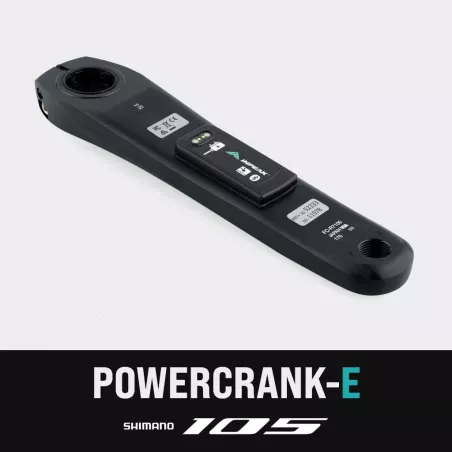
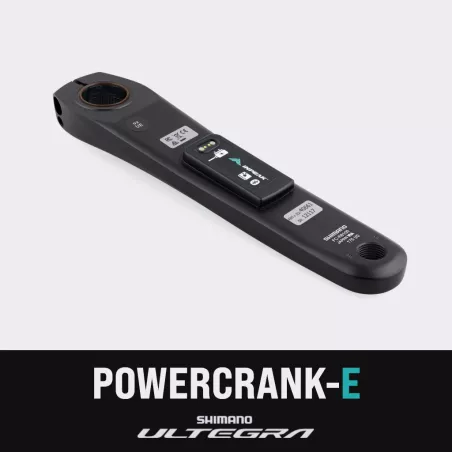
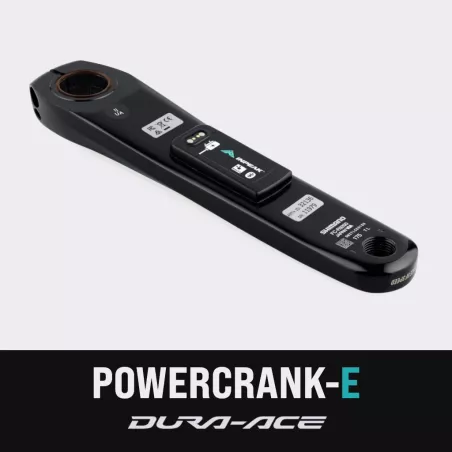
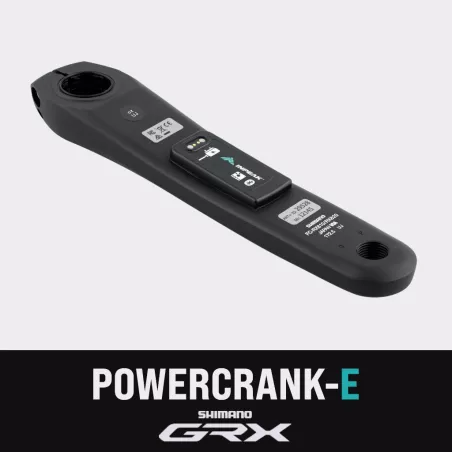
Your goal should be to smooth out the effort throughout the day. This is how you will enjoy it the most, limit blowouts, and achieve your best time. For this, a well-used power meter remains the most useful tool. Analyze your long mountain rides to identify the pace that truly allows you to be consistent.
We've consulted dozens of Strava files from previous EDTs. The vast majority show a sharp decline between the first and the last climb. This isn't inevitable. You might never climb all three passes at 300W. But the difference in experience between doing 300-250-150W and aiming for 250-220-200W is enormous.
A successful EDT isn't about a spectacular first climb. It's about a whole day mastered.
Summary
- Lighten your logistics: early bib collection, well-chosen accommodation, early arrival.
- Prepare your body for the mountains: training camp, volume, active day before, repeating efforts.
- Anticipate real constraints: altitude, weather, travel fatigue, gear management.
- Optimize what can be: bike, equipment, organization, recovery.
- Smooth out your effort: an EDT is won (or finished well) across the whole day, not on a single climb.
This page deliberately focuses on concrete levers that truly improve your experience and performance. The idea isn't to multiply "hacks," but to highlight what actually has an impact on a day as long and demanding as the 2026 Étape du Tour.
Article written for a wide audience, with a direct, expert, and accessible approach.
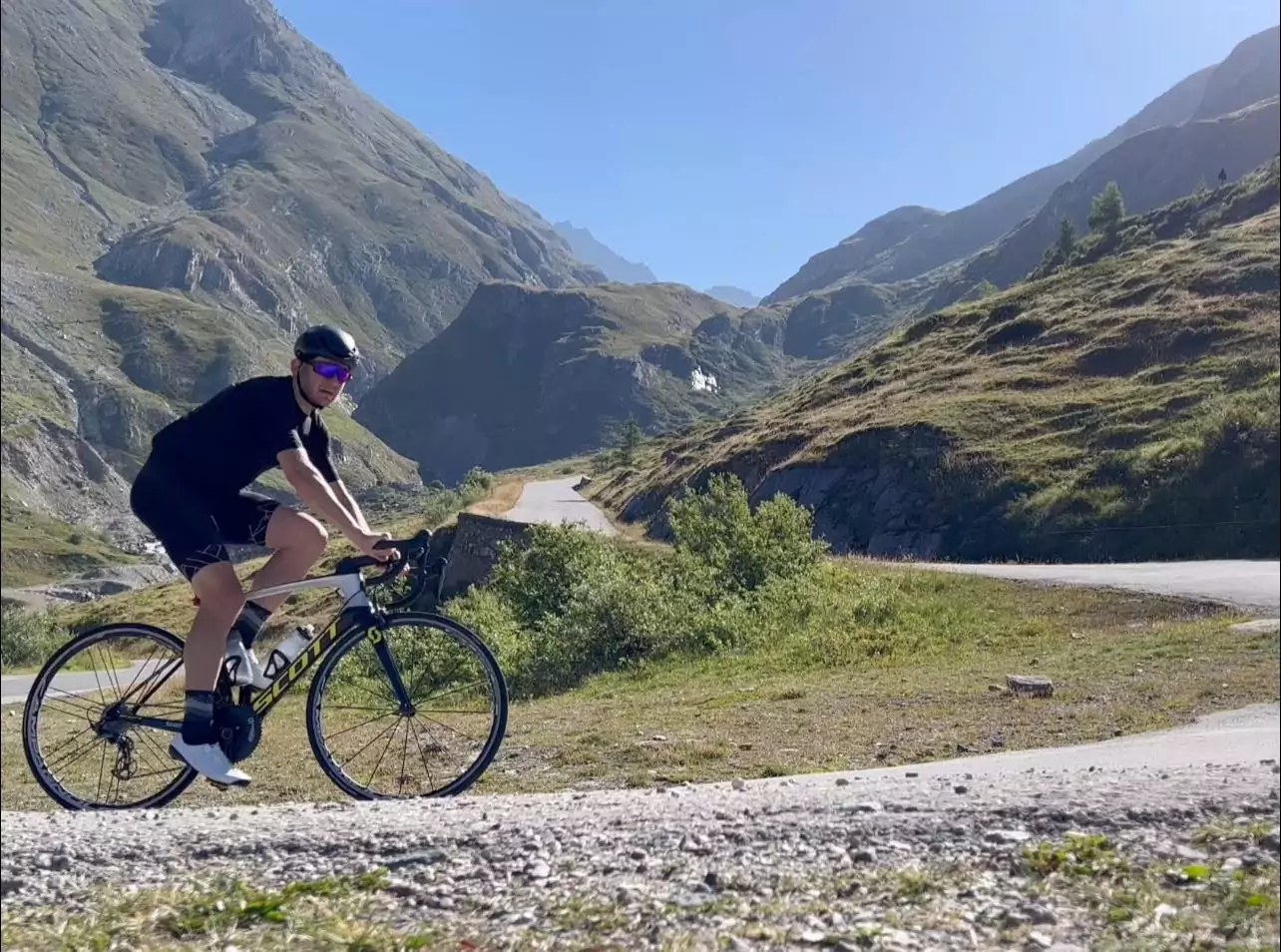
Olivier from velo-perso.com
Behind these tips is my journey as a competitor (former Elite N1 and pro trainee) and a deep passion for the technical side of cycling. I've known the podiums, but I've also experienced the failure of finishing 600th at the Étape du Tour due to major strategic mistakes. Since 2012, I’ve used power meters to decode the physics of performance. My goal? To share this experience so that every ride—from the Galibier to the Rockies—remains a pleasure above all.
"Take it step by step, but stay ambitious!"